
Who controls the battlefield as AI transforms modern warfare?
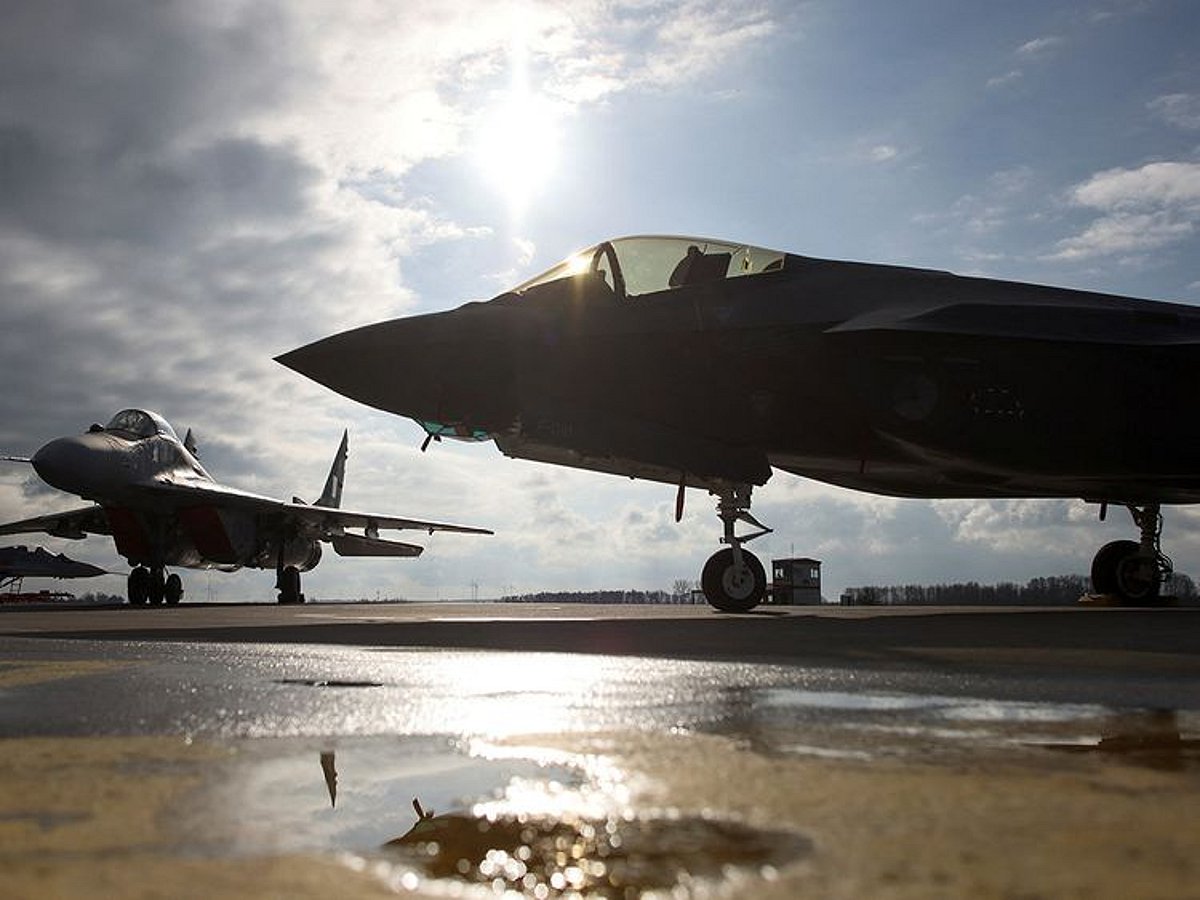
Source: gulfnews.com
Defence forces must balance access to private technology with control over critical systems and data as the growing use of AI and private satellite networks tests military independence, according to a Gulf News report from the NATO Edge conference in Izmir, Turkey. The rapid integration of high tech and artificial intelligence into armed forces presents a dilemma: entrusting part of their future to private companies while risking sovereignty. On one side are digital and mission-critical technology specialists driven by market forces and private capital demanding profits, independent of political control; on the other are military leaders answering only to political authority and focused on strategy, hierarchy and defence secrecy. Between them is the race to connect the battlefield, from troop coordination to real-time terrain analysis, generating terabits of data. The civilian Starlink satellite network and its military counterpart Starshield, which Ukraine desperately needs, exemplify the challenge: since Russia's invasion in 2022, Kyiv has faced restrictions on access to Starshield, owned by Elon Musk's SpaceX. Analyst Tom Barton of Janes told AFP that for companies to deliver the "networked battlefield", some access to confidential data ideally needs to be given, and militaries are experimenting with standalone exercises and varying levels of trust and access. A US company representative told AFP on condition of anonymity there is "a fine line", citing Musk "slowing down the internet" in Ukraine. Military leaders have little choice but to compromise: "You don't need to be 100 percent sovereign, but sovereign enough."
SUCKS 0
0
0
Comments
This page shows all existing comments. To add a new comment, open the post in the forum.
No comments yet.