
How We’ll Reach a 1 Trillion Transistor GPU
Source: spectrum.ieee.org
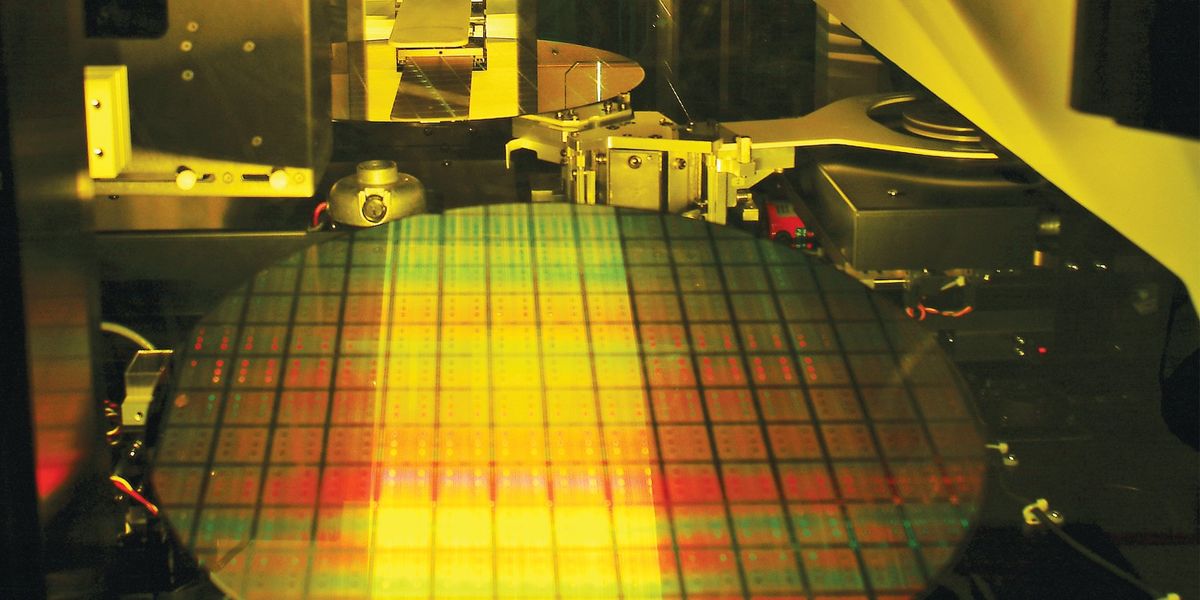
In 1997, the IBM Deep Blue supercomputer defeated world chess champion Garry Kasparov, a demonstration of supercomputer technology. Over the following decade, AI was used for facial recognition, language translation, and recommending movies. Generative AI, such as ChatGPT and Stable Diffusion, can now compose poems, create artwork, diagnose disease, and design integrated circuits. These AI applications are due to efficient machine-learning algorithms, massive training data, and progress in energy-efficient computing through semiconductor technology. Major AI milestones were enabled by leading-edge semiconductor technology: Deep Blue used 0.6- and 0.35-micrometer-node technology; the ImageNet-winning neural network used 40-nanometer technology; AlphaGo used 28-nm technology; the initial ChatGPT was trained on 5-nm technology; and the most recent ChatGPT uses 4-nm technology. To continue the AI revolution, within a decade the semiconductor industry will need a 1-trillion-transistor GPU, with 10 times as many devices as typical today. Advances in semiconductor technology—including new materials, lithography, new transistor types, and advanced packaging—have driven more capable AI systems.
SUCKS 0
0
0
Comments
This page shows all existing comments. To add a new comment, open the post in the forum.
No comments yet.