
Evaluation of state-of-the-art models for improving the diagnosis of …
Source: nature.com
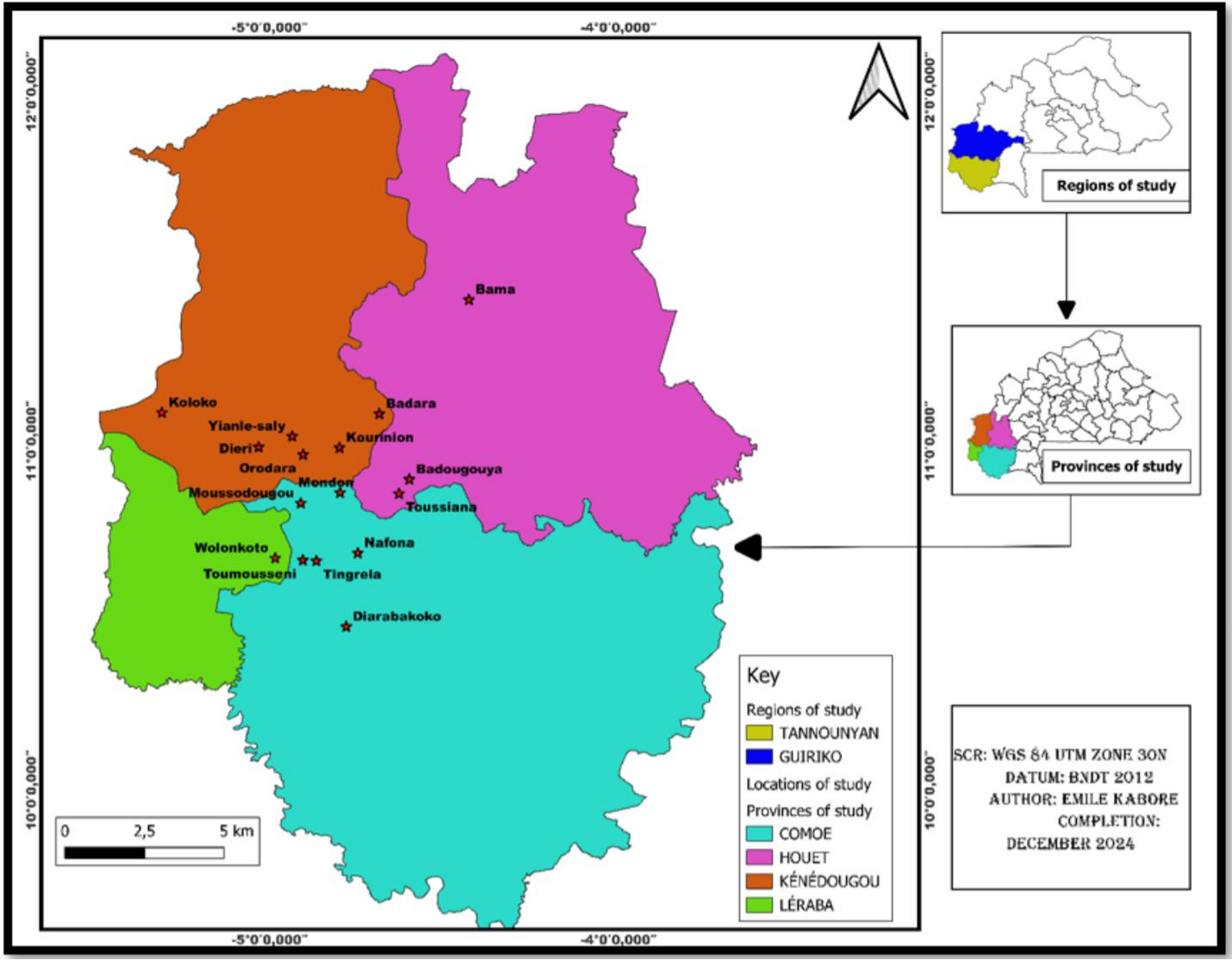
A study conducted in the Guiriko (Houet and Kénédougou provinces) and Tannounyan (Comoé and Léraba provinces) regions of Burkina Faso, which account for approximately 70% of national mango production, aimed to design an effective AI-based automatic diagnosis model for the main mango tree diseases in the country. Mangoes are the fifth most produced fruit in the world by tonnage, with a production of 51 million tonnes in 2017, and Burkina Faso contributes between 11% and 18% of mango production in West Africa. The mango sector generates more than 15 billion in turnover per year and employs 28,000 people in 21,000 jobs as entrepreneurs or similar, around 350 permanent jobs in processing and packaging companies for fresh exports, and around 7,000 seasonal jobs throughout the chain. The sector faces phytosanitary constraints including insect pests and major diseases such as anthracnose caused by Colletotrichum gloeosporioides, bacterial black spot disease caused by Xanthomonas citri pv. mangiferaeindicae, and dieback caused by Lasiodiplodia spp., which cause damage such as deterioration in fruit quality, tree death and reduced yields. Producers have little understanding of these diseases and their symptoms, epidemiological aspects and diagnostic difficulties, and the limited dissemination of available control technologies results in their low adoption. Artificial intelligence is described as a powerful decision-making tool in agriculture, particularly in
SUCKS 0
0
0
Comments
This page shows all existing comments. To add a new comment, open the post in the forum.
No comments yet.