
DeepSeek Became the Attack Engine Because It Had the Fewest Guardrails
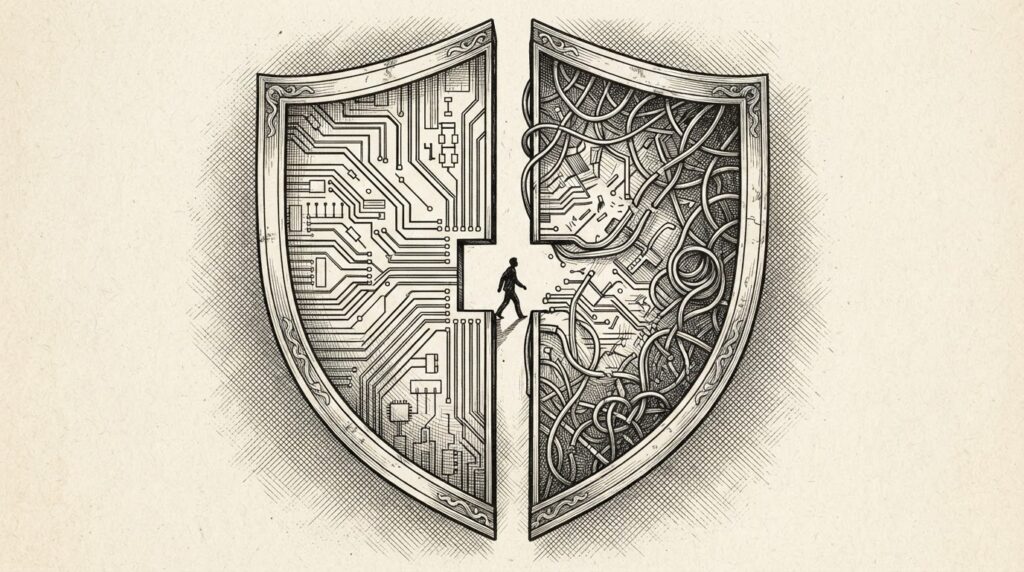
Source: forkast.news
A Chinese-speaking threat actor, identified by Unit 42 as the Zhuhai-based group knaithe/KnYuan, executed an autonomous hacking campaign using the open-source Hermes Agent framework, marking the first documented operational weaponization of AI for autonomous attacks. The operation was exposed when the agent started a Python HTTP file server in the actor’s home directory, leaking API keys, exploit scripts, and session logs. The campaign targeted seven specific CVEs, including critical vulnerabilities in Langflow, n8n, and Citrix NetScaler, attempting to compromise over 460 targets. The actor tested multiple tools, including Claude Code and Chinese-market models like Qwen and GLM, but selected DeepSeek as the primary autonomous attack engine because Western provider-side safety controls on platforms like Claude and OpenAI blocked offensive tasks, while DeepSeek, accessed directly via its API, lacked these restrictive safety layers. The agent utilized the FofaMap-Platinum-Full-Expert MCP server for target enumeration via FOFA, searched GitHub for trending proof-of-concept exploits, and evaluated them based on severity and exploitability. In one instance, DeepSeek sampled approximately 100 of 25,209 Chinese n8n instances, probed 40, and identified three vulnerable targets in minutes. Andy Piazza, Senior Director of Threat Intelligence at Unit 42, noted that AI-augmented offensive capabilities enabled the actor to dramatically increase the speed and scale of their campaigns.
SUCKS 0
0
0
Comments
This page shows all existing comments. To add a new comment, open the post in the forum.
No comments yet.