
Innovative sustainable concrete with waste glass materials: an explai…
Source: nature.com
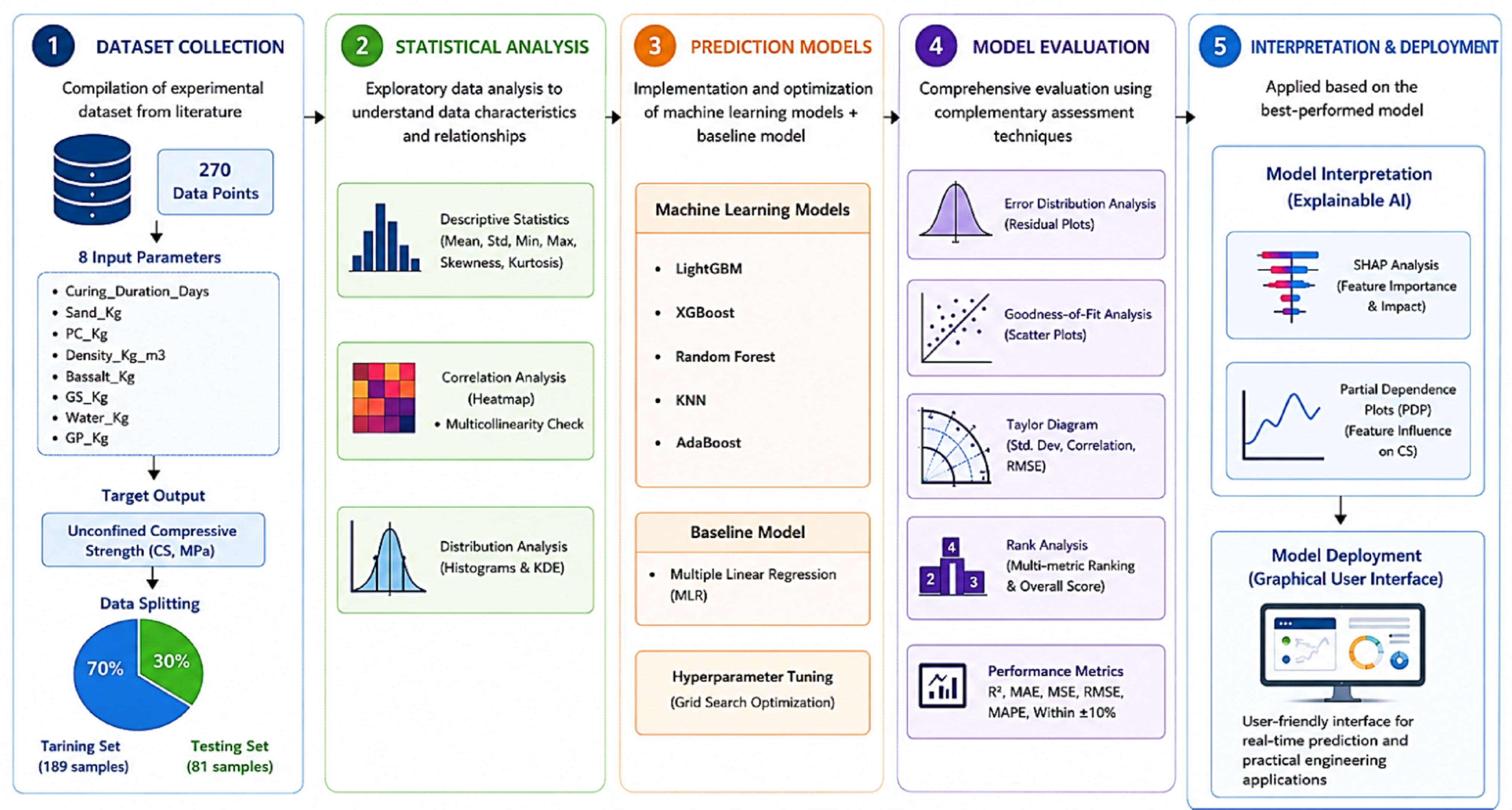
The global construction industry faces pressure to reduce environmental impact while meeting infrastructure demand, as cement production contributes approximately 7–8% of global anthropogenic carbon dioxide emissions and natural aggregate extraction depletes geological resources. Post-consumer waste glass (WG) disposal remains a concern, with millions of tons landfilled annually despite high recyclability and latent pozzolanic potential. Waste glass processed into glass powder (GP) or glass sand (GS) has emerged as a substitute for conventional cementitious materials and natural aggregates. Experimental studies show partial cement replacement with finely ground glass powder can enhance compressive strength, reduce permeability, and mitigate harmful alkali–silica reactions within optimal replacement ranges, attributed to high amorphous silica content participating in pozzolanic reactions with calcium hydroxide to produce secondary calcium–silicate–hydrate (C–S–H) gel, densifying the interfacial transition zone and refining pore structure. The influence of glass incorporation is nonlinear, depending on particle size distribution, curing conditions, chemical admixtures, and synergistic effects with other supplementary cementitious materials. Life cycle assessments show using WG as powder and granular aggregate reduces global warming potential compared with conventional mixes by lowering clinker demand and diverting glass from landfills, contributing to CO₂ emission reduction on a cradle‑to‑grave basis. Conventional concrete mix design optimization relies on iterative experimental procedures that are time-consuming and resource-intensive, while empirical regression models often lack capacity to capture complex, multi-faceted relationships.
SUCKS 0
0
0
Comments
This page shows all existing comments. To add a new comment, open the post in the forum.
No comments yet.