
Safer software construction counters AI-driven threats - SiliconANGLE
Source: siliconangle.com
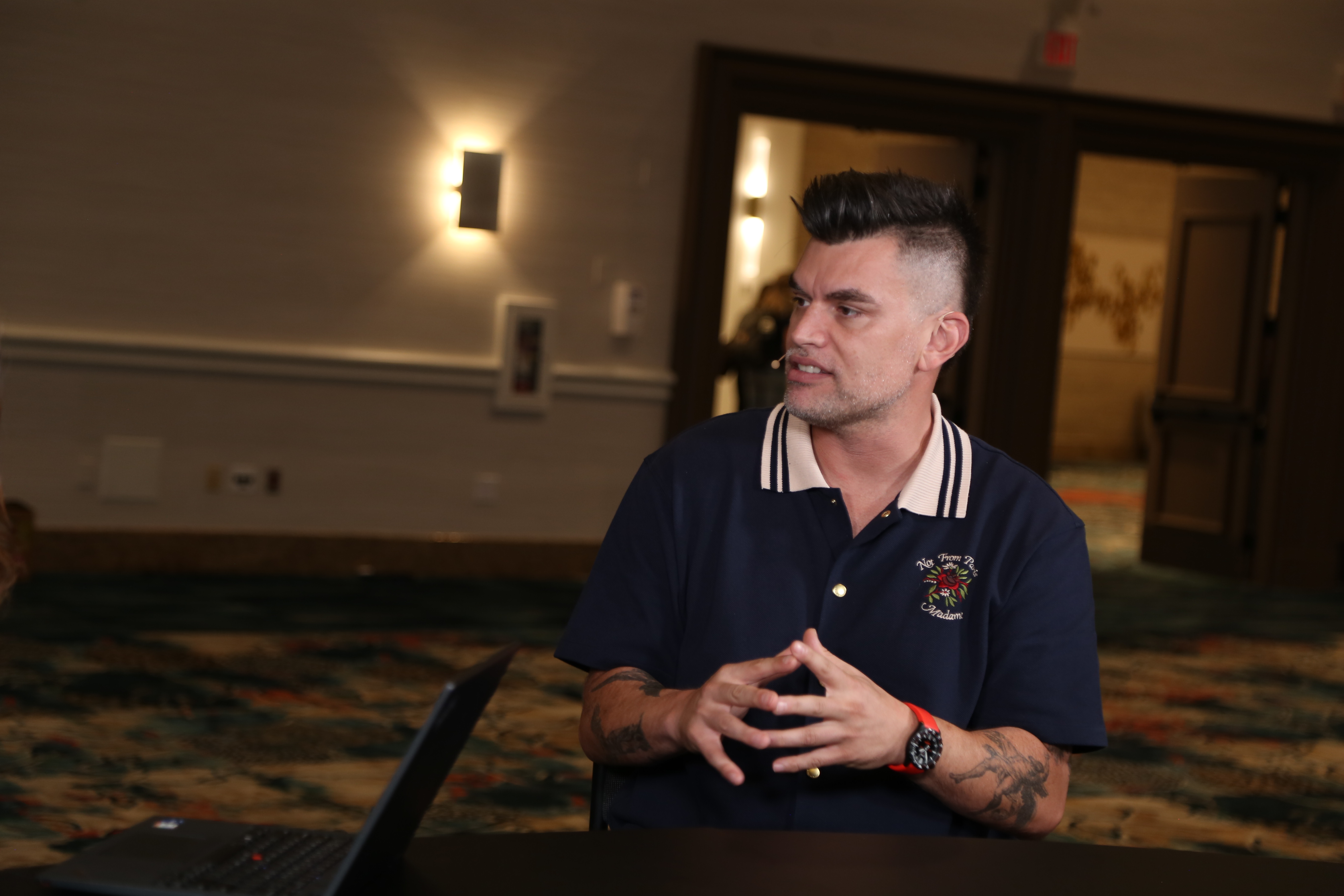
At Black Hat USA, Microsoft’s David Weston, corporate vice president of AI security, delivered a keynote titled “The End of Rare: Defending When Offense Is Cheap,” arguing that AI has ended the era of scarce vulnerabilities, making offensive capabilities abundant and forcing cybersecurity teams to move beyond reactive patching. Weston explained that traditional defenses relied on the economics of scarcity, but AI has changed this, making rare vulnerabilities no longer rare. He spoke with Krista Case during an exclusive broadcast on theCUBE, discussing why security teams must invest AI-driven productivity gains into safer software construction, memory-safe languages, and formal verification rather than trying to outpace attackers with faster patches. Weston noted that simply accelerating patches is reactive and leaves attackers a window, as they benefit from asymmetry and agility. He advocated for prioritizing safety by construction, memory-safe languages such as Rust, and formal methods that prove program logic free of certain failure classes. Citing Google’s results with Rust, roughly 75% of its vulnerabilities in 2019 were memory-safety issues, but by 2025 that share had fallen below 20%, and across 5 million new lines of code written in safer languages, the company reported not a single new memory-safety issue. Weston called for everyone to start experimenting with these approaches in their codebases.
SUCKS 0
0
0
Comments
This page shows all existing comments. To add a new comment, open the post in the forum.
No comments yet.