
Prehospital Injury Severity Estimate (PHISE) matches in-hospital trau…
Source: nature.com
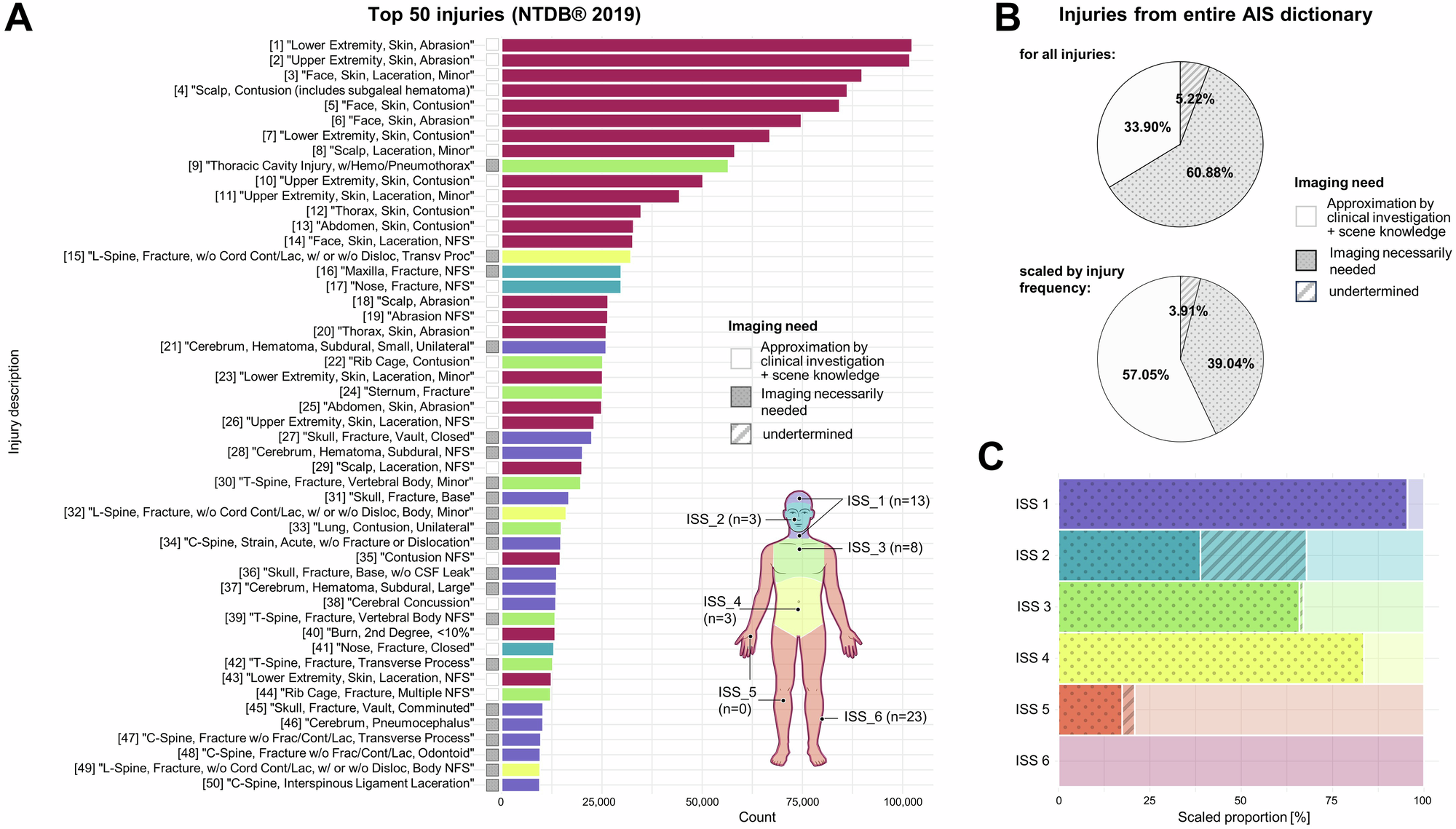
A study in *npj Digital Medicine* introduces the Prehospital Injury Severity Estimate (PHISE), a simplified score based on eight anatomically distinct body regions and a four-level injury grading scale (no/minor/moderate/severe injury), designed to approximate the reference-standard Injury Severity Score (ISS) and New ISS (NISS) using only clinically accessible information at the scene. Trauma remains a leading cause of death and disability worldwide, but ISS and NISS rely on detailed anatomical coding and typically require advanced imaging such as computed tomography, making them impractical in the early prehospital phase. The absence of a validated, standardized prehospital method represents a critical gap, forcing field providers to rely on non-standardized clinical gestalt. PHISE is intended to complement physiological assessment and clinical judgment, not replace them. Researchers evaluated PHISE retrospectively in the US-based National Trauma Data Bank® (NTDB®) and prospectively in the German-speaking countries’ TraumaRegister DGU®, assessing correlation, calibration, and predictive performance relative to ISS and NISS. They further embedded PHISE into machine learning models alongside vital signs and injury descriptors to explore its added value in AI-assisted decision-support frameworks. The 2019 NTDB® dataset comprised 397,864 trauma patients with complete AIS-based injury coding and ISS/NISS scores. A large majority of the 50 most frequent injuries occurred in body regions accessible by physical examination, including the extremities, head, and thorax. The study demonstrates the
SUCKS 0
0
0
Comments
This page shows all existing comments. To add a new comment, open the post in the forum.
No comments yet.