
Explaining physical activity energy expenditure for active lifestyle …
Source: nature.com
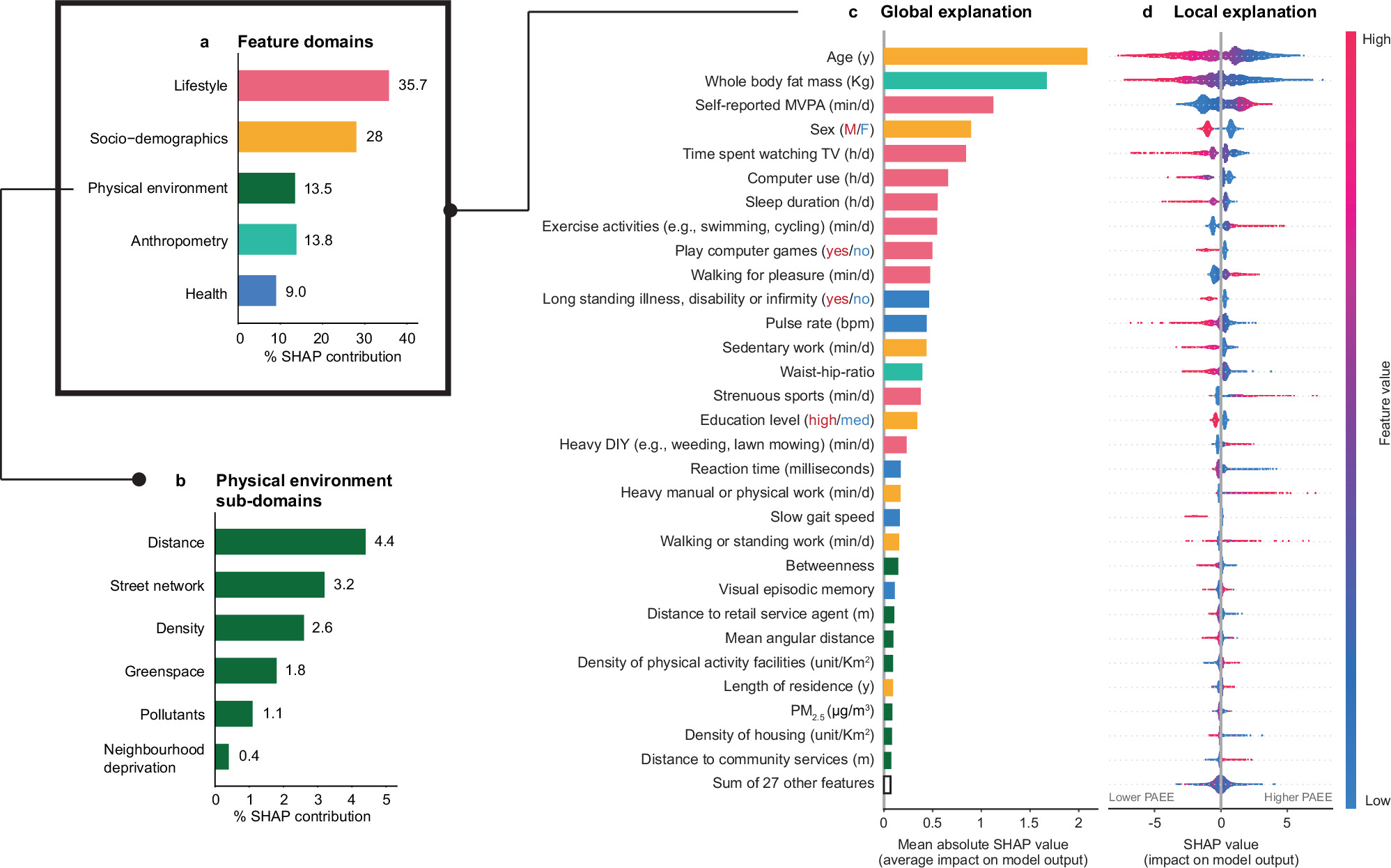
A study published in npj Exercise Medicine and Health examines physical activity energy expenditure (PAEE) for active lifestyles and activity-friendly cities using a machine learning-based approach. The article notes that nineteenth-century industrialisation and urbanisation produced an urban penalty, with poorer health and lower life expectancies in cities relative to rural areas, and that rural-to-urban migrations and socioeconomic transformations in the post-1945 antibiotic era resulted in epidemiologic transitions and another form of modern urban plague with higher burdens of chronic sedentary diseases such as cardiometabolic diseases. Promoting physical activity as a lifestyle intervention for chronic disease prevention has become one of the central planks in the healthy city agenda. Inadequate physical activity has been consistently associated with higher risks of obesity, cardiovascular disease, diabetes, cancer and all-cause mortality. An analysis of 7.5 million adults from 507 population-based surveys reported that one-third of adults (1.8 billion) had insufficient physical activity worldwide, with an age-standardised prevalence of 31.3% in 2022. The global economic burden of physical inactivity in 2013 was estimated to be $53.9 billion in healthcare costs and 13.4 million in disability-adjusted life years. The WHO’s Global Action Plan on Physical Activity stresses the importance of promoting active living in achieving 13 of seventeen UN Sustainable Development Goals. The article describes physical activity as a complex, multi-dimensional behavioural construct including intentional exercise and incidental activities, with a range of intensities and varied motivations,
SUCKS 0
0
0
Comments
This page shows all existing comments. To add a new comment, open the post in the forum.
No comments yet.