
While Musk's Neuralink drills into skulls, China's BrainCo bets the f…
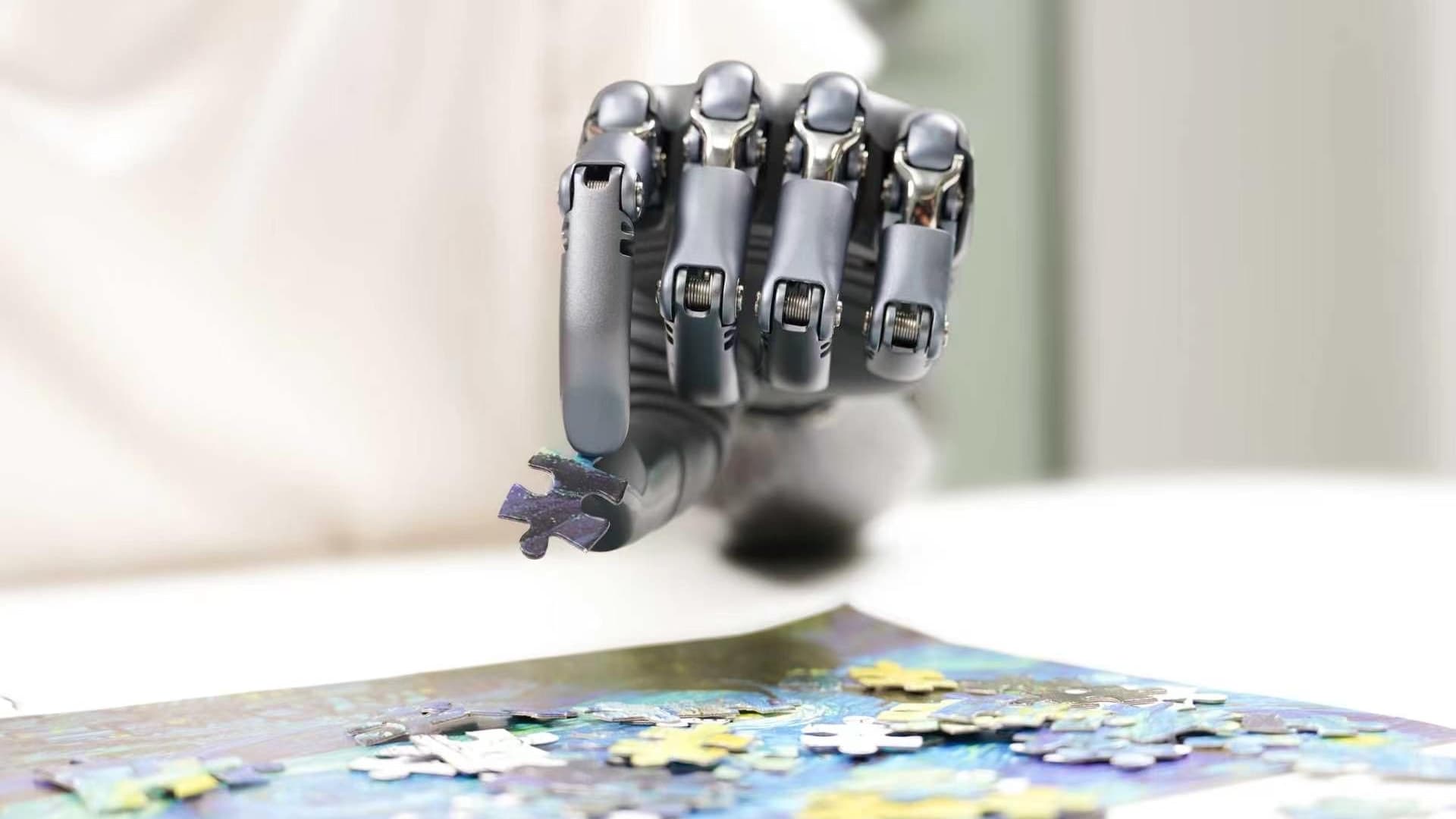
Brain-computer interfaces (BCI) establish a direct link between human minds and devices. While Elon Musk’s Neuralink uses implants in people’s heads, some companies, including China’s BrainCo, bet the future of brain tech is wearable. BCI works by processing brain signals and translating them into commands. Funding for startups in the field is a fraction of the capital flowing into artificial intelligence, but interest is rising as companies enable people with conditions like amyotrophic lateral sclerosis (ALS) to type or play video games using brain signals. AI is a catalyst, boosting signal-processing capabilities. The technology is raising the stakes in the U.S.-China rivalry; the Chinese government included BCI as a strategic “future industry” in its latest Five-Year Plan. Regulators recently approved what officials call the world’s first minimally invasive BCI device for commercial use, developed by Neuracle Medical Technology. BrainCo, one of the “six little dragons” of tech startups in Hangzhou, makes prosthetics and wearable devices using BCI technology. Founded in 2015 and born out of the Harvard Innovation Labs, BrainCo has planted its flag on the non-invasive side. Its bionic hands, approved by the U.S. Food and Drug Administration, read an amputee’s neural and muscular electrical signals. Its wearables include a sleep aid that BrainCo says uses low-intensity electrical pulses to stimulate.
SUCKS 0
0
0
Comments
This page shows all existing comments. To add a new comment, open the post in the forum.
No comments yet.