
When AI hallucinates aliens: Some think NASA should be nervous
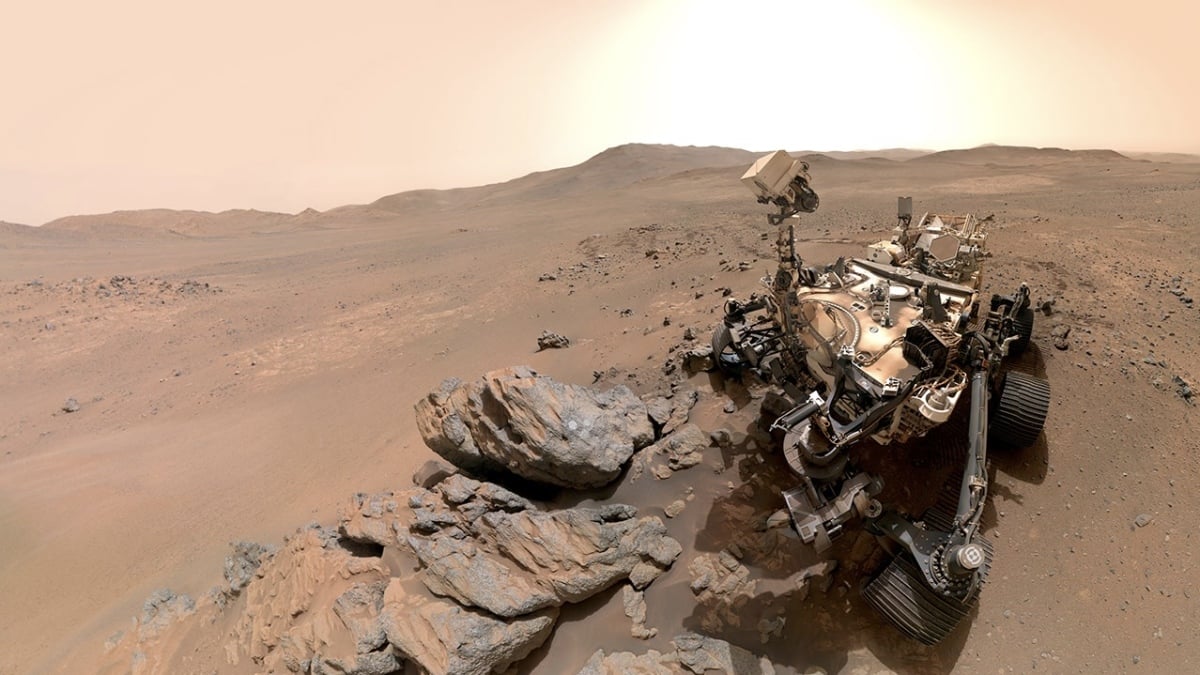
Source: mashable.com
Researchers question whether AI software is ready for life-detection systems on spacecraft, as Michigan State University researchers trained an AI system using a program called Avida to distinguish between digital "organisms" that can copy themselves and those that cannot. In test runs, the algorithm got it right 99.97 percent of the time, but when the team took nonliving chunks of code and made small changes repeatedly, the system became almost 100 percent certain that many fakers were alive, even though they never exhibited replication. The work shows how AI can latch onto patterns without understanding what makes something alive, said doctoral student Ankit Gupta, who warned with coauthor Christoph Adami that this weakness could foil space missions. The team will present findings in August at the 2026 Conference on Artificial Life in Waterloo, Canada. Meanwhile, NASA and its partners are funding AI-driven life-detection projects, including one led by Carnegie Science's Michael L. Wong and NASA's Caleb Scharf, supported by a $5 million grant, to train AI on at least 1,000 samples from meteorites, rocks, fossils, and living organisms.
SUCKS 0
0
0
Comments
This page shows all existing comments. To add a new comment, open the post in the forum.
No comments yet.