
Retinal Artificial Intelligence Predicts Systemic Disease Risk but La…
Source: bioengineer.org
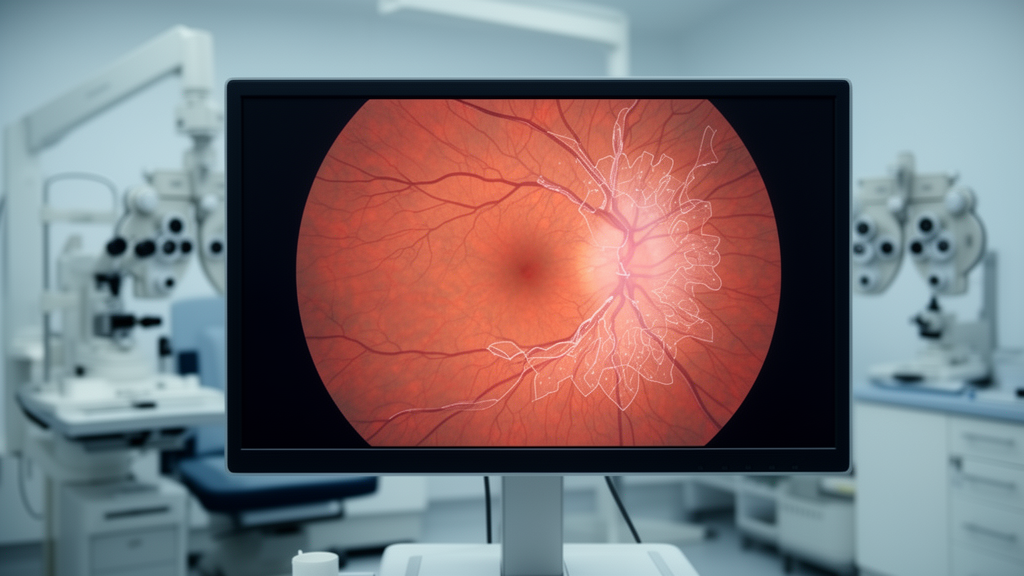
A critical review published in Discover Imaging by A. Pavithra and V. Bhanumathi evaluated artificial intelligence models trained to predict systemic diseases directly from retinal images, examining how machine learning, deep learning, and multimodal algorithms use the eye's microvascular window to detect chronic kidney disease, cardiovascular disease, and diabetes mellitus. While published studies consistently demonstrate positive discriminatory performance from non-invasive ocular scans, reported performance indicators vary dramatically across individual works, with discrepancies in diagnostic metrics including the area under the receiver operating characteristic curve, sensitivity, and specificity stemming from widespread heterogeneity in study cohorts, clinical outcome definitions, imaging hardware, sample sizes, and validation protocols. The review warns that current predictive figures cannot be legitimately pooled or used to establish a definitive methodological hierarchy, highlighting that substantial translational hurdles must be resolved before retinal artificial intelligence can transition into clinical practice. The rationale for image-based systemic disease prediction lies in shared anatomical and physiological characteristics linking retinal microvasculature to distant organ systems, particularly the kidneys and heart, since retinal small vessels can be directly visualized through fundus photography and optical coherence tomography. The authors caution that observed retinal abnormalities, including altered arteriolar and venular caliber, microaneurysms, and localized retinopathy, should be interpreted as surrogate phenotypic traits associated with systemic vascular strain rather than direct evidence of target-organ disease itself. In chronic kidney disease, research by Charumathi Sabanayagam and colleagues showed that integrating retinal features with routine clinical risk factors improves chronic kidney disease detection over ocular
SUCKS 0
0
0
Comments
This page shows all existing comments. To add a new comment, open the post in the forum.
No comments yet.