
AI Motion Capture Turns Your Phone Into a Mocap Studio. Here's the Wo…
Source: hackernoon.com
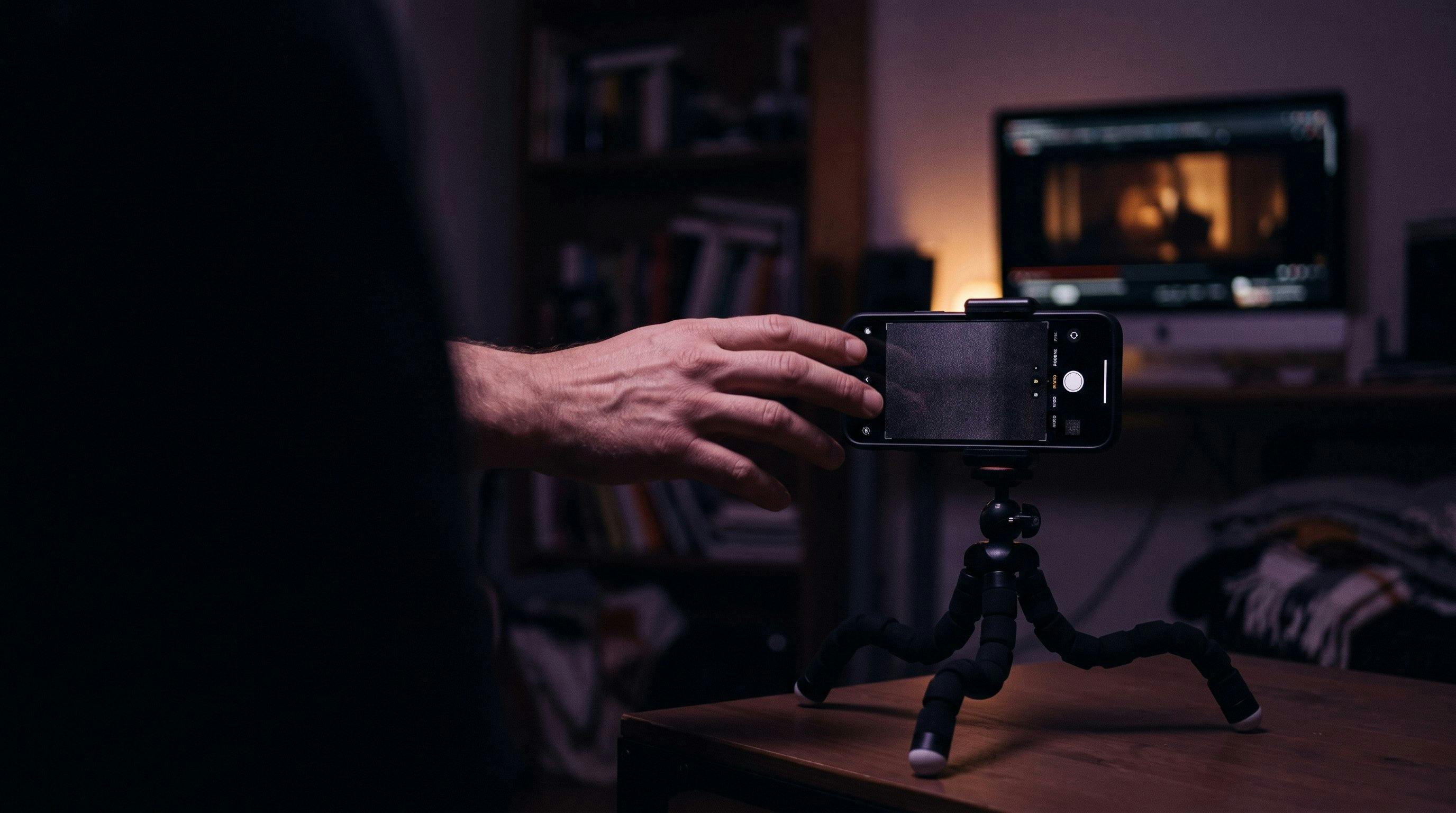
Two weeks ago, the author stood in a living room with a phone propped on a stack of books, performing three takes of reaching toward an imaginary torch, then watched the movement transferred onto a character in Lost Garden. AI motion capture records a real driving performance, usually a body on a phone, and a model transfers the movement onto a different character. Tools like Runway’s Act-Two and Kling Motion Control 3.0 do this without a mocap suit, tracking volume, or rigging pipeline. A text prompt describes a category of movement, while AI motion capture reads an actual reference video frame by frame and reproduces real timing and physical detail. Runway describes Act-Two as capturing “the movement, expressions, audio, and gestures” of a driving performance and transferring them onto a character input. Kling Motion Control 3.0 takes a reference image of a character and a separate motion reference video, applying movements, facial expressions, and pacing while keeping the character’s visual identity. Transfer quality is decided before recording: keep the whole body in frame for the entire take, light as intended for the character, and shoot against a plain background. Kling’s guidance for Motion Control 3.0 states a single subject, good lighting, and a clean background improve transfer quality.
SUCKS 0
0
0
Comments
This page shows all existing comments. To add a new comment, open the post in the forum.
No comments yet.