
Scientists Built an AI That Can "Read" 7,000-Year-Old Seeds | Arkeone…
Source: arkeonews.net
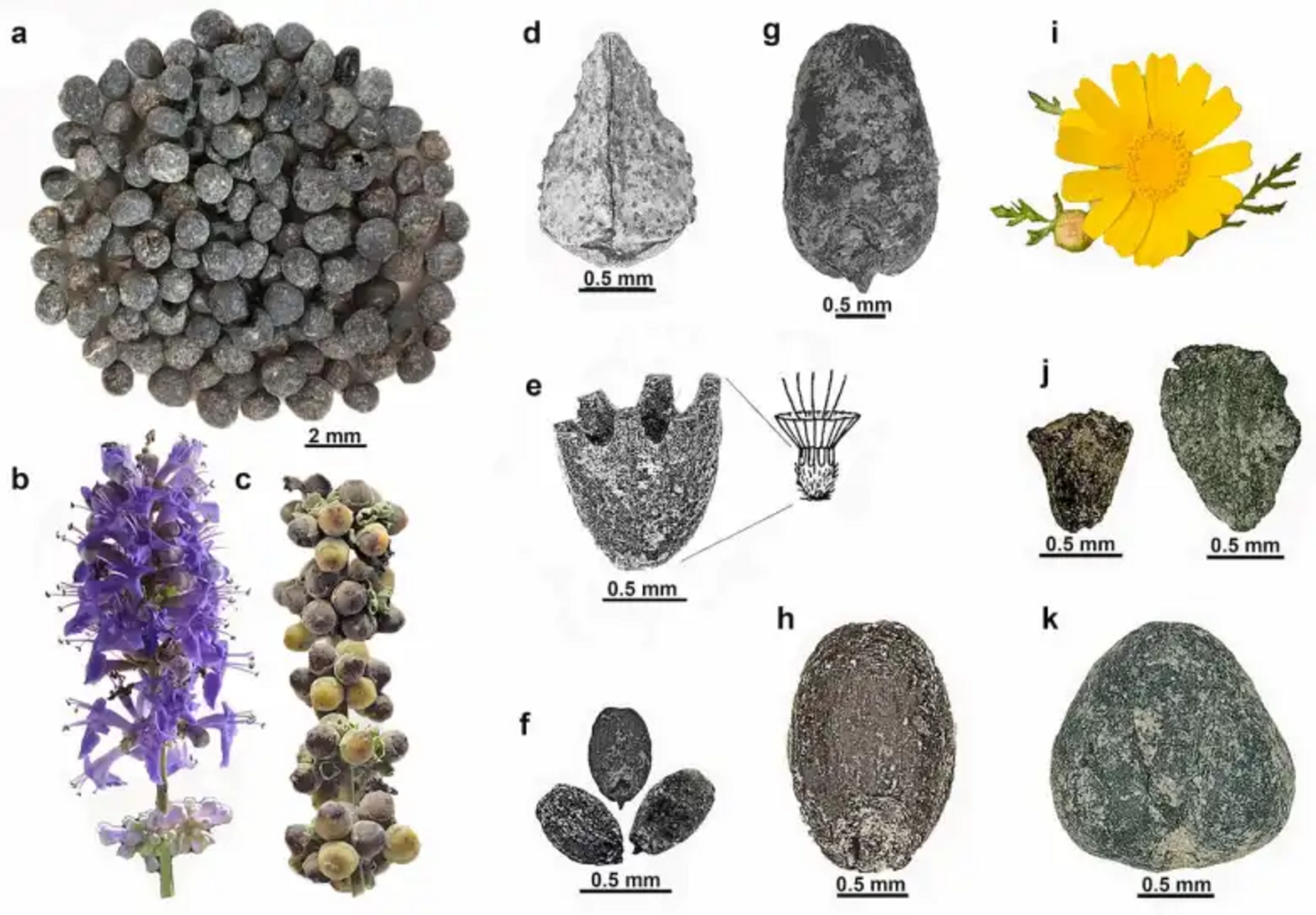
An artificial intelligence system named APSNet, developed by researchers at Lingnan University and Shandong University, can classify ancient plant seeds with an accuracy of 90.2 percent. Trained on ancient plant remains from archaeological sites across China, its dataset includes material from 18 archaeological sites dating from about 5400 BCE to 220 CE, with the oldest samples more than 7,000 years old. The system is designed to speed up the painstaking work of reconstructing what people grew, ate, and cultivated thousands of years ago. Plant remains recovered from sites offer direct evidence of how ancient communities grew, prepared, and consumed food, revealing which crops were cultivated, which foods formed part of diets, and how agricultural practices evolved. Archaeologists commonly recover these remains by flotation, then examine them under a microscope, comparing characteristics such as size, shape, and surface features—a process requiring years of specialist training. The researchers argue this creates a bottleneck when archaeobotanical evidence must be processed on a large scale. The research, published in npj Heritage Science, provides both a large standardized image collection of archaeological seeds and an AI system designed specifically to help archaeobotanists identify them.
SUCKS 0
0
0
Comments
This page shows all existing comments. To add a new comment, open the post in the forum.
No comments yet.