
We co-led the UN’s dialogue on safe and secure AI. Here’s what needs …
Source: fortune.com
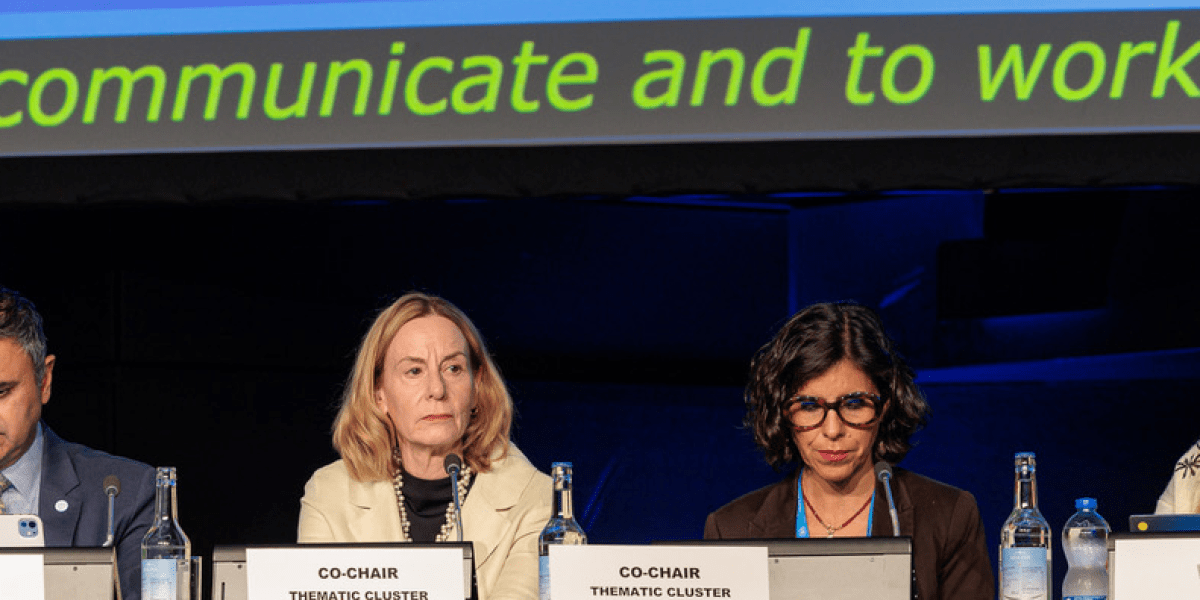
Over the past week, several leading AI CEOs publicly called for a slower pace of AI development, citing risks from loss of control to cyberattacks to bioterrorism. Days later, Bank of England Governor Andrew Bailey, chairing the Financial Stability Board, told G20 finance ministers and central bankers that the already shaky global financial system faces a new threat in AI, warning that dependence on the same handful of AI models and cloud providers means one exploited weakness can spread rapidly. Writing as co-leads for safe, secure and trustworthy AI at the first UN Global Dialogue on AI Governance in Geneva this past July, the authors agree the world needs common rules: new AI systems should only be released after independent testing against agreed thresholds, developers should publish safety protocols, and post-deployment incidents should be monitored and reported. At Geneva, 170 countries came together with industry and civil society on mechanisms to begin governing the technology. They propose immediate “no regret” UN actions: connect science and policy by giving the Independent International Scientific Panel on AI’s first evidence-based assessment a formal channel into the Global Dialogue’s negotiating process ahead of next May, and develop a common reference baseline for safety grounded in international human rights law, built on frameworks including the OECD AI Principles, the G7 Hiroshima code of conduct, the Frontier AI Safety Commitments from the 2024 Seoul Summit, UNESCO’s Recommendation on the Ethics of AI, and ISO and NIST standards.
SUCKS 0
0
0
Comments
This page shows all existing comments. To add a new comment, open the post in the forum.
No comments yet.