
Self-Driving Cars Have An Aging Problem
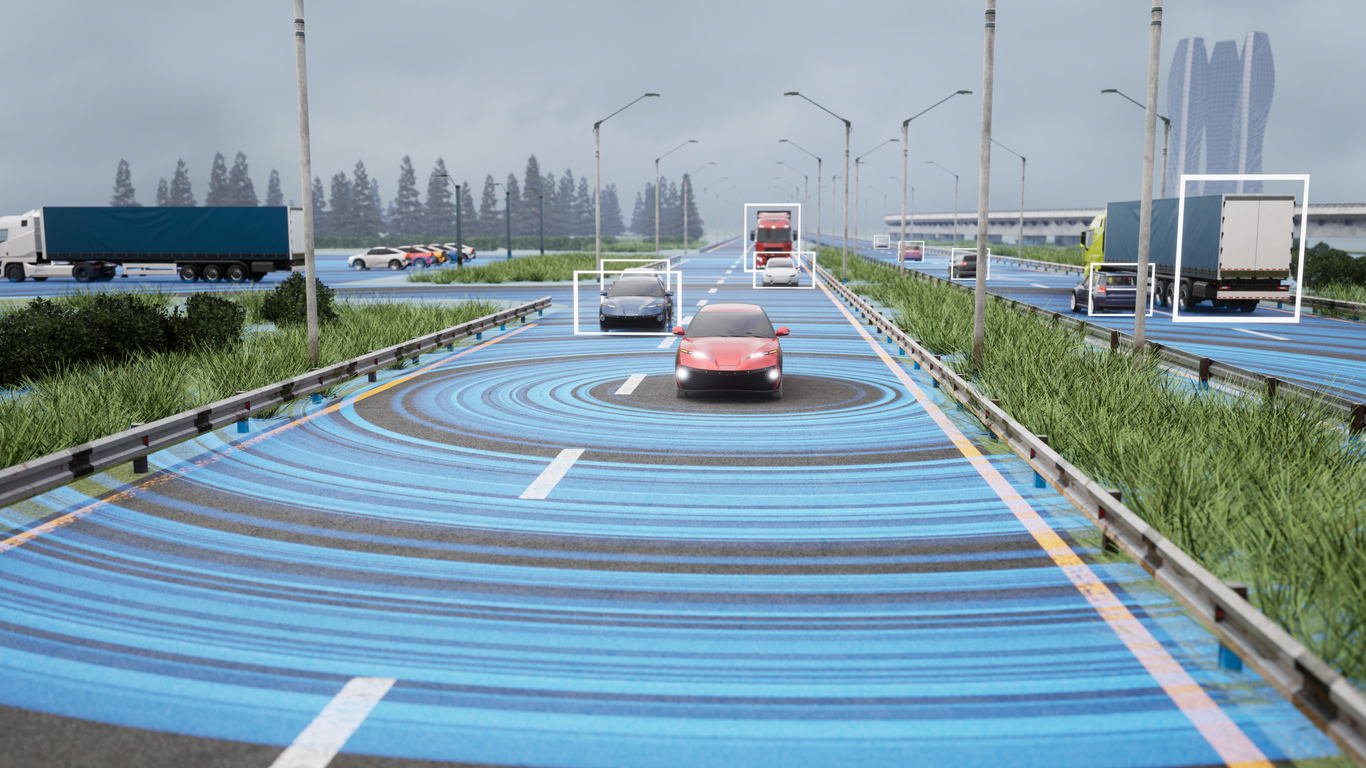
Source: semiengineering.com
The integration of AI into autonomous and assisted driving is accelerating the aging of automotive sensors and components, raising new security risks and questions about system longevity. Safety-critical vehicle systems are expected to last a decade or more, but workloads vary by driving frequency, aggressiveness, location, and the number of corner cases encountered. Automotive companies are investing tens of billions of dollars into autonomous driving, yet uncertainties remain about sensor degradation, how AI models can manage aging through software upgrades and ongoing learning, and how to design systems for future AI demands. A report by the Insurance Institute for Highway Safety showed Waymo’s L4 vehicles experienced 68% fewer reportable crashes than human drivers and a 91% lower rate of rear-ending another vehicle, but no solid data exists on how these rates might shift over a decade. Data-heavy AI workloads add pressure, causing components to age more rapidly. According to Paul Karazuba of Rambus, AI is "always on," contributing to gradual hardware decline, unlike traditional intermittent automotive electronics. Continuous AI inference for perception, sensor fusion, and driver monitoring keeps sensors and chips active, leading to higher average temperatures, continuous electrical stress on transistors, reduced thermal recovery periods, and long-term drift in analog components and calibration. This demands a different kind of AI chip.
SUCKS 0
0
0
Comments
This page shows all existing comments. To add a new comment, open the post in the forum.
No comments yet.