
Explaining retrieval-augmented generation
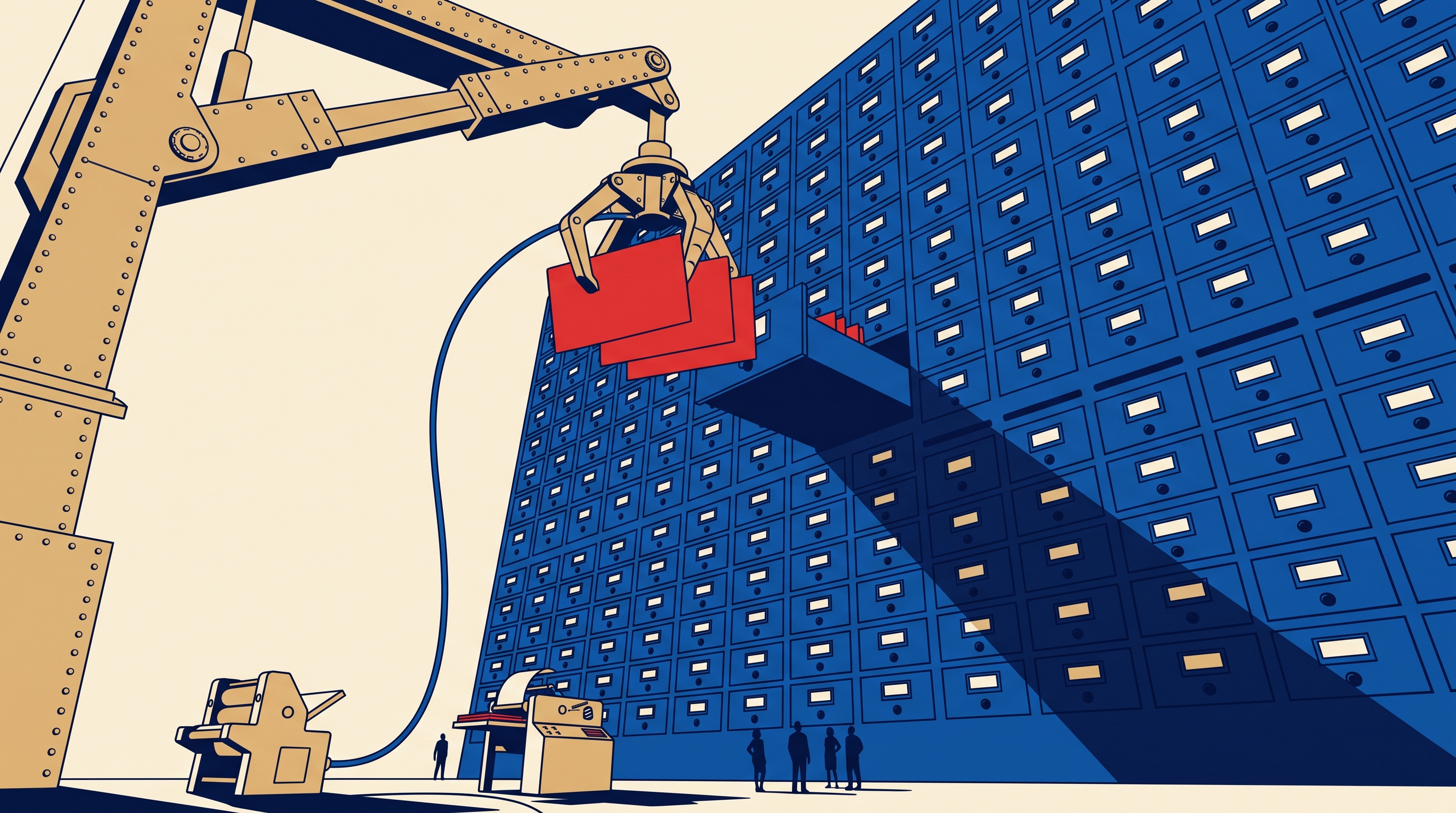
Retrieval-augmented generation, or RAG, is a method for making a large language model look something up before it answers, searching an external collection of documents, inserting the most relevant passages into the prompt and asking the model to write its response from them. It exists because trained models are frozen at a cutoff date, cannot say where a fact came from and produce plausible text when they do not know the answer, and it now sits beneath AI Overviews, ChatGPT search, Perplexity and a growing number of advertising agents. A RAG system runs in two phases: indexing, which happens offline, where a corpus is assembled, documents are cut into chunks usually no more than a few hundred tokens each according to Anthropic's engineering documentation, each chunk passes through an embedding model that converts text into a vector, and the vectors are stored in a vector database next to the original text; and query time, where the user's question is embedded with the same model, the database returns the nearest chunks, many production systems run a keyword method such as BM25 in parallel and merge the two lists, a reranker trims the set, and the surviving passages are inserted into the prompt with instructions to answer from them and cite them. CNN's complaint against Perplexity filed on May 28, 2026 compressed the flow into four steps: receive a prompt, retrieve related content, combine the two, and pass the bundle to a model. Google's documentation for EmbeddingGemma
SUCKS 0
0
0
Comments
This page shows all existing comments. To add a new comment, open the post in the forum.
No comments yet.